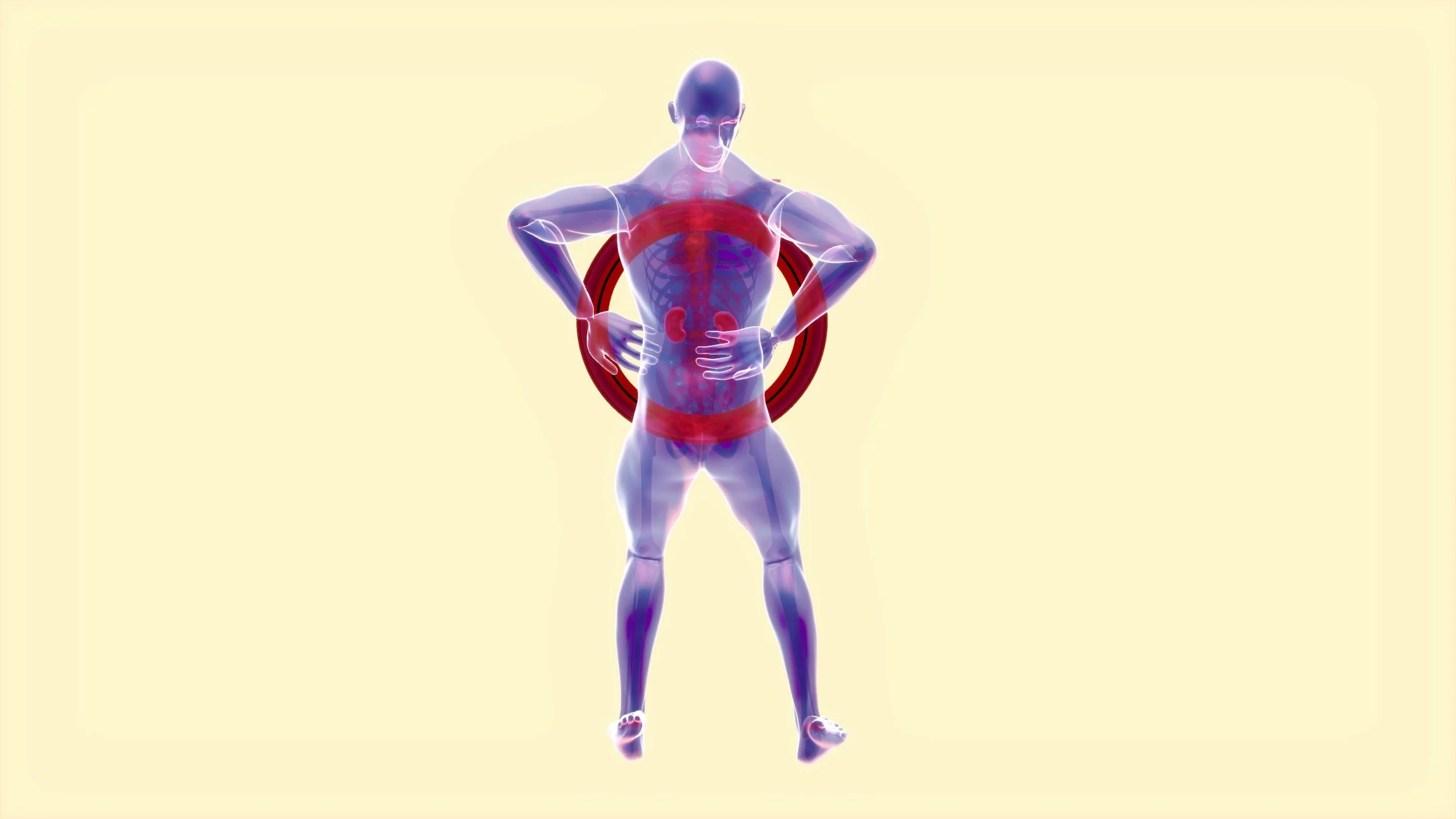
Is Walking Good for Low Back Pain? What the Research Says
Is Walking Good for Low Back Pain? What the Research Says
One of the first questions I hear from patients with low back pain is:
"Should I keep walking, or am I making things worse?"
It's a great question because walking is one of the simplest forms of exercise—but when your back hurts, even a short walk can feel intimidating.
The good news is that walking is often one of the best activities for many people with uncomplicated low back pain. In fact, remaining active is recommended by many clinical guidelines because prolonged bed rest can actually delay recovery.
That doesn't mean walking is right for everyone. The key is understanding why your back hurts in the first place.
At Rochester Sports Chiropractic, located in Mendon and serving patients from Pittsford, Victor, Honeoye Falls, Fairport, and the surrounding communities, we help active adults determine the cause of their pain and create personalized treatment plans focused on improving movement—not simply masking symptoms.
Quick Answer
For many people, gentle walking is one of the best activities for low back pain because it promotes circulation, reduces stiffness, encourages healthy spinal movement, and helps maintain strength without placing excessive stress on the spine. However, if walking significantly increases pain, causes leg weakness, or worsens numbness, a professional evaluation is recommended.
Why Walking Often Helps Low Back Pain
The human body was designed to move.
When you walk, your hips, pelvis, lumbar spine, and core muscles work together to produce smooth, coordinated movement. Walking also encourages circulation to muscles and soft tissues while helping reduce the stiffness that often develops after prolonged sitting.
Unlike high-impact activities, walking places relatively low stress on the joints while keeping the body active.
Many patients tell me their back feels stiff when they first get up in the morning or after sitting through a workday. After five or ten minutes of walking, they often notice that they move more comfortably.
That doesn't necessarily mean the underlying problem has resolved—but it does suggest that movement may be beneficial.
The Benefits of Walking for Low Back Pain
Walking may help by:
Reducing stiffness in the lumbar spine
Improving circulation to muscles and connective tissues
Encouraging healthy movement patterns
Supporting core and hip muscle activity
Improving flexibility over time
Reducing fear of movement
Helping maintain a healthy body weight
Supporting overall cardiovascular health
For many active adults in Pittsford, Victor, Honeoye Falls, and Mendon, walking is an excellent starting point during recovery.
Here's What Surprises Many Patients...
One of the biggest misconceptions about low back pain is that complete rest is the fastest way to heal.
In reality, prolonged bed rest is rarely recommended for uncomplicated low back pain. Remaining active within your tolerance often leads to better outcomes than avoiding movement altogether.
When Walking May Make Low Back Pain Worse
Walking isn't the right answer for every condition.
If walking causes:
Pain that rapidly worsens
Progressive numbness
Increasing leg weakness
Loss of balance
Pain that continues to worsen long after you stop
it's important to determine why.
Walking may aggravate certain conditions such as severe spinal stenosis, some acute disc injuries, or other medical problems that require additional evaluation.
That's why identifying the underlying diagnosis matters.
What If You Have Sciatica?
Many patients ask whether walking helps sciatica.
The answer is: sometimes.
Some people notice their symptoms improve after walking because movement reduces stiffness and decreases pressure on irritated tissues.
Others experience increased leg pain if a nerve root becomes more irritated during walking.
If you're experiencing pain, numbness, or tingling that travels into your leg, visit our Sciatica page to learn more:
👉 https://www.585chiropractor.com/sciatica
Common Causes of Low Back Pain
Walking affects each condition differently.
Muscle Strains
Walking often helps maintain mobility without excessively stressing healing muscles.
Joint Irritation
Gentle movement frequently reduces stiffness in irritated spinal joints.
Disc Injuries
Walking may be helpful for many people, but prolonged walking or poor posture may increase symptoms in some cases.
Arthritis
Movement helps maintain joint mobility and often reduces stiffness associated with arthritis.
One Important Detail Is Often Overlooked...
Walking is beneficial—but how you walk matters.
Walking with poor posture, wearing unsupportive footwear, or dramatically increasing your distance overnight may aggravate symptoms instead of helping them.
How Much Should You Walk?
There isn't one perfect number.
For many people, beginning with 5–10 minutes of comfortable walking and gradually increasing as symptoms allow is a reasonable starting point.
Listen to your body.
Some mild soreness during activity may be acceptable, but increasing pain that lingers for hours afterward usually indicates you've done too much.
Walking Tips for Active Adults
Whether you enjoy walking through Pittsford Village, along the Erie Canal Trail, around Victor, or in Mendon, consider these tips:
Wear supportive walking shoes.
Stand tall instead of looking down.
Swing your arms naturally.
Start with shorter walks.
Increase distance gradually.
Avoid long periods of sitting immediately afterward.
Stay hydrated.
Consistency is usually more important than intensity.
When Should You See a Chiropractor?
Consider scheduling an evaluation if:
Pain lasts longer than one to two weeks.
Symptoms continue returning.
Walking becomes increasingly painful.
Pain radiates into your leg.
You notice numbness or tingling.
Back pain interferes with work, exercise, or sleep.
At Rochester Sports Chiropractic, every examination begins with identifying why your symptoms developed.
Rather than simply treating pain, our goal is to improve how your body moves.
Learn more about our approach to treating Low Back Pain:
👉 https://www.585chiropractor.com/low-back-pain
Or visit our homepage:
👉 https://www.585chiropractor.com/
What Makes Our Approach Different?
No two people with low back pain move exactly the same.
That's why every evaluation includes:
Thorough health history
Orthopedic examination
Neurological testing
Movement assessment
Hip mobility evaluation
Functional strength assessment
Treatment recommendations may include:
Chiropractic adjustments when appropriate
Manual therapy
Movement-based rehabilitation
Home exercise programs
Education to help prevent recurrence
For active adults dealing with sports-related injuries, we also provide specialized care focused on helping patients safely return to the activities they enjoy.
Learn more about our Sports Care services:
👉 https://www.585chiropractor.com/sports-care
What Does the Research Say?
The evidence consistently supports remaining active for many cases of uncomplicated low back pain.
The American College of Physicians recommends non-drug therapies—including exercise, spinal manipulation, and other conservative treatments—as first-line options for many patients with acute or chronic low back pain.
Read the clinical practice guideline:
👉 https://www.acpjournals.org/doi/10.7326/M16-2367
Additional trusted resources include:
National Institute of Neurological Disorders and Stroke – Low Back Pain: https://www.ninds.nih.gov/health-information/disorders/low-back-pain
Mayo Clinic – Back Pain: https://www.mayoclinic.org/diseases-conditions/back-pain
American Academy of Family Physicians – Low Back Pain: https://familydoctor.org/condition/low-back-pain/
Frequently Asked Questions
Is walking better than resting for low back pain?
For many people with uncomplicated low back pain, remaining active with gentle walking is generally recommended over prolonged bed rest.
How long should I walk if my back hurts?
Start with five to ten minutes if tolerated and gradually increase as symptoms improve.
Can walking make a herniated disc worse?
It depends on the severity and type of disc injury. Some people improve with walking, while others require activity modification. A professional evaluation can help determine what's appropriate.
Can walking help sciatica?
Sometimes. Some cases improve with walking, while others become more irritated. Understanding the underlying cause is essential.
Conclusion
Walking is one of the simplest and most effective ways for many people to stay active while recovering from low back pain. It promotes healthy movement, reduces stiffness, and supports overall spinal health.
However, walking isn't a substitute for an accurate diagnosis. If your symptoms continue returning, interfere with daily life, or radiate into your leg, identifying the underlying cause is the next step.
At Rochester Sports Chiropractic, we proudly help patients from Mendon, Pittsford, Victor, Honeoye Falls, Fairport, and the surrounding communities understand what's causing their pain and develop individualized treatment plans focused on helping them move better and stay active.
If you're looking for a chiropractor near Pittsford or Mendon for low back pain or sciatica, we'd be happy to help.
Schedule an appointment:
👉 https://rsc-mendon.square.site/