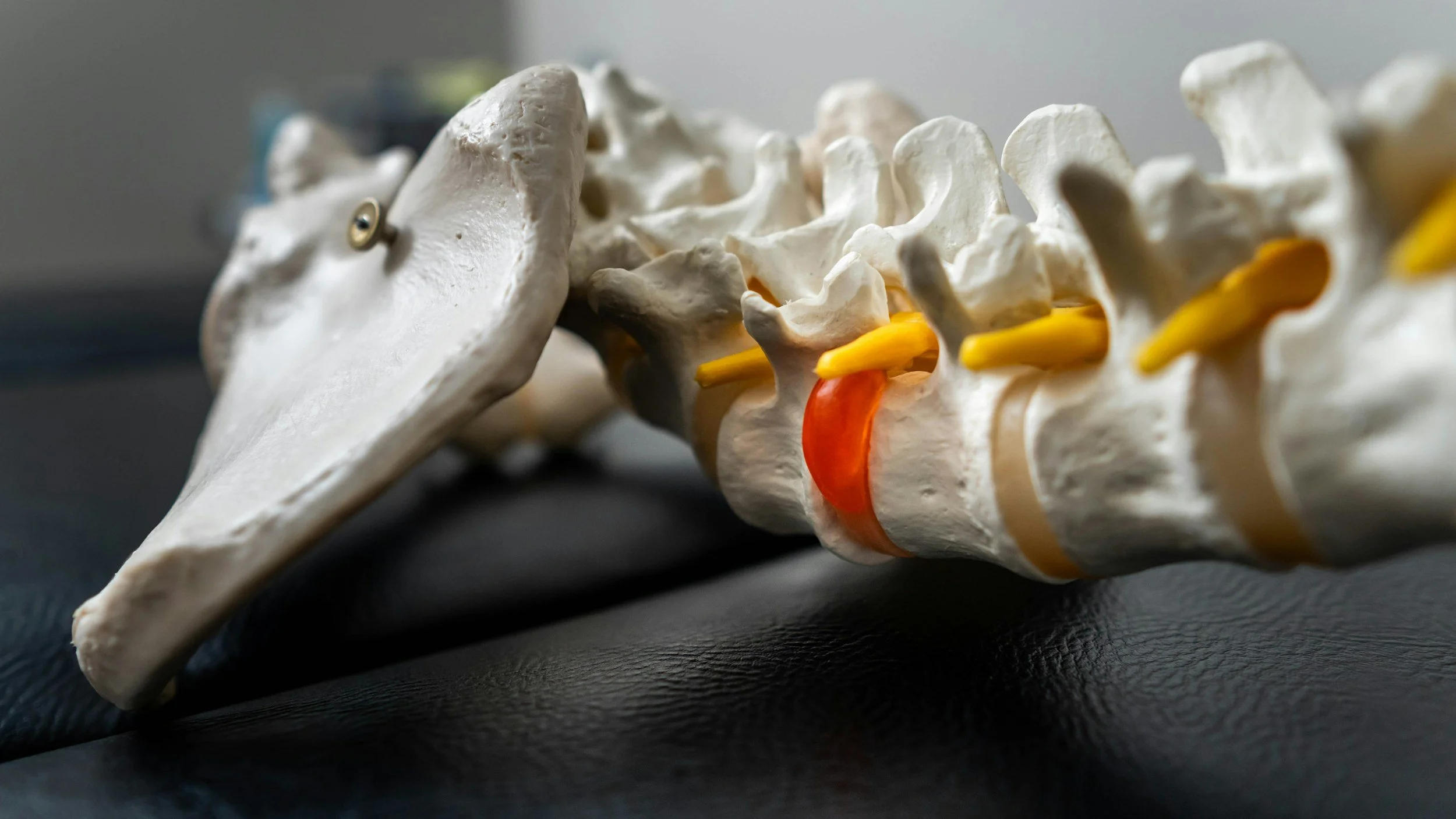
Low Back Pain After Golf | Mendon Chiropractor
Low Back Pain After Golf: Why It Happens and How to Get Back on the Course
Golf has a reputation for being a low-impact sport, but anyone who has walked off the 18th hole with a stiff or aching back knows that's not always the case. One of the most common complaints I hear from golfers at Rochester Sports Chiropractic is, "My back only hurts after I play golf."
Whether you're playing nine holes after work, competing in a weekend tournament, or enjoying a round at Mendon Golf Club, low back pain can quickly take the enjoyment out of the game. The good news is that pain after golf is often caused by movement problems that can be identified and addressed without relying solely on medication or simply taking weeks off from playing.
As a Titleist Certified Medical Professional Level 2, I work with golfers of all skill levels throughout Mendon, Pittsford, Victor, Honeoye Falls, Fairport, Rush, and Henrietta. My goal isn't just to help you feel better after a round—it's to help you move better so you can continue enjoying the game for years to come.
Quick Answer
Low back pain after golf is commonly caused by poor hip mobility, limited spinal mobility, muscle weakness, swing mechanics, or overuse. An evaluation can identify the underlying cause so treatment can focus on correcting the movement problem instead of simply masking symptoms.
Key Takeaways
Low back pain after golf is common but should not be considered normal.
Many golfers have healthy backs but limited hip mobility, forcing the lumbar spine to rotate excessively.
Poor core stability and glute strength often increase stress on the lower back.
Swing mechanics, warm-up habits, and physical conditioning all influence injury risk.
Most golfers improve with a combination of chiropractic care, mobility exercises, strengthening, and movement retraining.
Severe pain, numbness, leg weakness, or bowel/bladder changes require immediate medical evaluation.
Why Golf Can Cause Low Back Pain
Golf requires a unique combination of flexibility, strength, balance, coordination, and endurance. During a single round, your body may perform over 70 full-speed rotational swings while also walking several miles over uneven terrain.
Every golf swing creates significant rotational and compressive forces through the lumbar spine.
If one part of the body isn't moving well, another area has to compensate.
Most often, that compensation occurs in the lower back.
The Golf Swing Places High Demands on Your Body
During the backswing and follow-through, your body depends on:
Hip mobility
Thoracic spine rotation
Core stability
Glute strength
Shoulder mobility
Balance
Proper weight transfer
When one of these pieces is missing, the lumbar spine often becomes the "workhorse," absorbing forces it wasn't designed to handle repeatedly.
Here's What Surprises Many People...
Many golfers assume their back pain is caused by a "bad back."
In reality, the lower back is often the victim rather than the source of the problem.
I've evaluated many golfers whose MRI showed only mild age-related changes, yet they experienced significant pain because their hips, core, or thoracic spine weren't moving efficiently during the swing.
Common Causes of Low Back Pain After Golf
Poor Hip Mobility
The hips should provide much of the rotation needed during the golf swing.
When they become stiff from prolonged sitting or inactivity, the lower back twists more than it should.
This repeated stress can irritate:
Facet joints
Lumbar muscles
Ligaments
Intervertebral discs
SI joints
Limited Thoracic Spine Rotation
Your upper back is designed to rotate.
If it doesn't, your lumbar spine often compensates.
Improving thoracic mobility frequently reduces stress placed on the lower back during golf.
Weak Core Stability
The core isn't just about having strong abdominal muscles.
Its primary role is stabilizing the spine while the arms and legs generate power.
Without adequate stability, the lumbar spine experiences greater strain throughout the swing.
Glute Weakness
Your glute muscles generate power while protecting your lower back.
Weak glutes often force the lumbar spine to absorb more rotational stress.
Swing Mechanics
Sometimes the issue isn't flexibility—it's mechanics.
Over-swinging, early extension, reverse spine angle, or improper weight transfer can all contribute to back pain.
Because of my training working with golfers, movement assessments often reveal these patterns before they become larger injuries.
Symptoms That May Occur After Golf
Low back pain can present differently depending on the tissues involved.
Common symptoms include:
Dull aching after the round
Sharp pain during the swing
Morning stiffness the following day
Pain while bending
Pain when standing upright
Muscle spasms
Difficulty rotating
Tight hips
Pain getting out of the golf cart
Pain after sitting in the clubhouse
Pain may stay localized or occasionally radiate into the buttock if the SI joint or surrounding muscles become irritated.
This Is Where Many Golfers Get Confused...
Not every golfer with pain has a disc injury.
In fact, muscle strains, irritated facet joints, SI joint dysfunction, and movement restrictions are often responsible for symptoms that people mistakenly assume are caused by a "slipped disc."
A thorough examination helps determine which structures are actually contributing to your pain.
Risk Factors
Several factors increase the likelihood of developing low back pain after golf:
Risk FactorWhy It MattersPoor warm-upStiff tissues tolerate rotation less effectively.Sedentary lifestyleReduces mobility and strength.Previous back injuryIncreases susceptibility.Weak glutesDecreases power generation.Poor postureAlters movement patterns.Limited hip mobilityForces extra lumbar rotation.Inadequate recoveryRepeated stress accumulates over time.Swing faultsIncrease spinal loading.
How Low Back Pain Is Diagnosed
A proper evaluation should go beyond simply identifying where it hurts.
At Rochester Sports Chiropractic, the examination includes:
Medical History
Understanding when symptoms occur, what movements aggravate them, and how long they've been present.
Movement Assessment
Watching how your body moves often provides more information than imaging alone.
We evaluate:
Hip mobility
Lumbar mobility
Thoracic rotation
Core stability
Balance
Functional movement patterns
Orthopedic Testing
Specific tests help determine whether symptoms involve:
Muscles
Facet joints
SI joint
Intervertebral disc
Nerve root irritation
Imaging is not necessary for every patient but may be recommended when symptoms suggest a more serious condition.
Treatment Options
Treatment depends on the underlying cause rather than simply treating the symptoms.
Chiropractic Care
Gentle spinal and extremity adjustments may help restore joint mobility where appropriate.
Manual Therapy
Soft tissue techniques can reduce muscle tension and improve movement.
Movement Retraining
Correcting faulty movement patterns often provides longer-lasting improvement.
Mobility Exercises
Improving hip and thoracic mobility frequently reduces stress placed on the lumbar spine.
Strengthening
Exercises focusing on:
Glutes
Core
Hip stabilizers
Postural muscles
can improve swing efficiency while reducing injury risk.
One Important Detail Is Often Overlooked...
Rest alone rarely fixes the reason your back started hurting.
Many golfers feel better after taking a week off, only to experience the same pain after their next round because the underlying movement issue was never addressed.
Addressing the root cause is what helps many golfers stay active throughout the season.
Home Exercises That May Help
Depending on your condition, exercises may include:
Cat-Camel Mobility
Improves spinal movement.
Hip Flexor Stretch
Reduces anterior hip tightness.
Glute Bridges
Builds hip strength.
Bird Dogs
Improves spinal stability.
Side Planks
Develops lateral core strength.
Exercises should always be selected based on your individual examination findings.
Can Low Back Pain After Golf Be Prevented?
Many cases can.
Helpful strategies include:
Warm up before every round.
Improve hip mobility.
Strengthen your glutes.
Build core stability.
Stay hydrated.
Avoid dramatically increasing practice volume.
Work on swing mechanics when appropriate.
Continue exercising even during the offseason.
When Should You Seek Immediate Medical Care?
Seek prompt medical evaluation if back pain is accompanied by:
Significant leg weakness
Loss of bowel or bladder control
Saddle numbness
Fever
Unexplained weight loss
Major trauma
Severe night pain
Progressive numbness
These symptoms may indicate a condition requiring urgent medical attention.
Frequently Asked Questions
Is low back pain after golf normal?
It's common, but it isn't something you should simply accept. Pain often indicates that your body isn't distributing the forces of the golf swing efficiently.
Should I stop golfing if my back hurts?
Not necessarily. Many golfers benefit from modifying activity while addressing the underlying cause. Continuing to play through severe pain, however, can worsen some injuries.
Can chiropractic care help golfers?
For appropriately selected patients, chiropractic care combined with movement-based rehabilitation may help improve mobility, reduce pain, and support a return to activity. The best treatment plan depends on the individual's condition and examination findings.
Do I need an MRI?
Not always. Many cases of mechanical low back pain improve with conservative care, and imaging is generally reserved for situations where symptoms suggest a more serious condition or when progress is not occurring as expected.
Why does my back hurt the day after golf instead of during the round?
Inflammation, muscle fatigue, and repetitive loading can lead to symptoms that become more noticeable several hours after playing or the following morning.
Conclusion
Golf places unique demands on your body, but persistent low back pain doesn't have to become part of the game. In many cases, improving mobility, strength, movement quality, and swing efficiency can reduce stress on your lower back and help you enjoy more comfortable rounds.
If you're experiencing low back pain after golfing in Mendon, Pittsford, Victor, Honeoye Falls, Rush, Henrietta, or Fairport, a comprehensive evaluation can help determine what's causing your symptoms and whether conservative chiropractic care and movement-based rehabilitation may be appropriate for you. The goal is to help you move with greater confidence, return to the activities you enjoy, and keep you on the course—not on the sidelines.