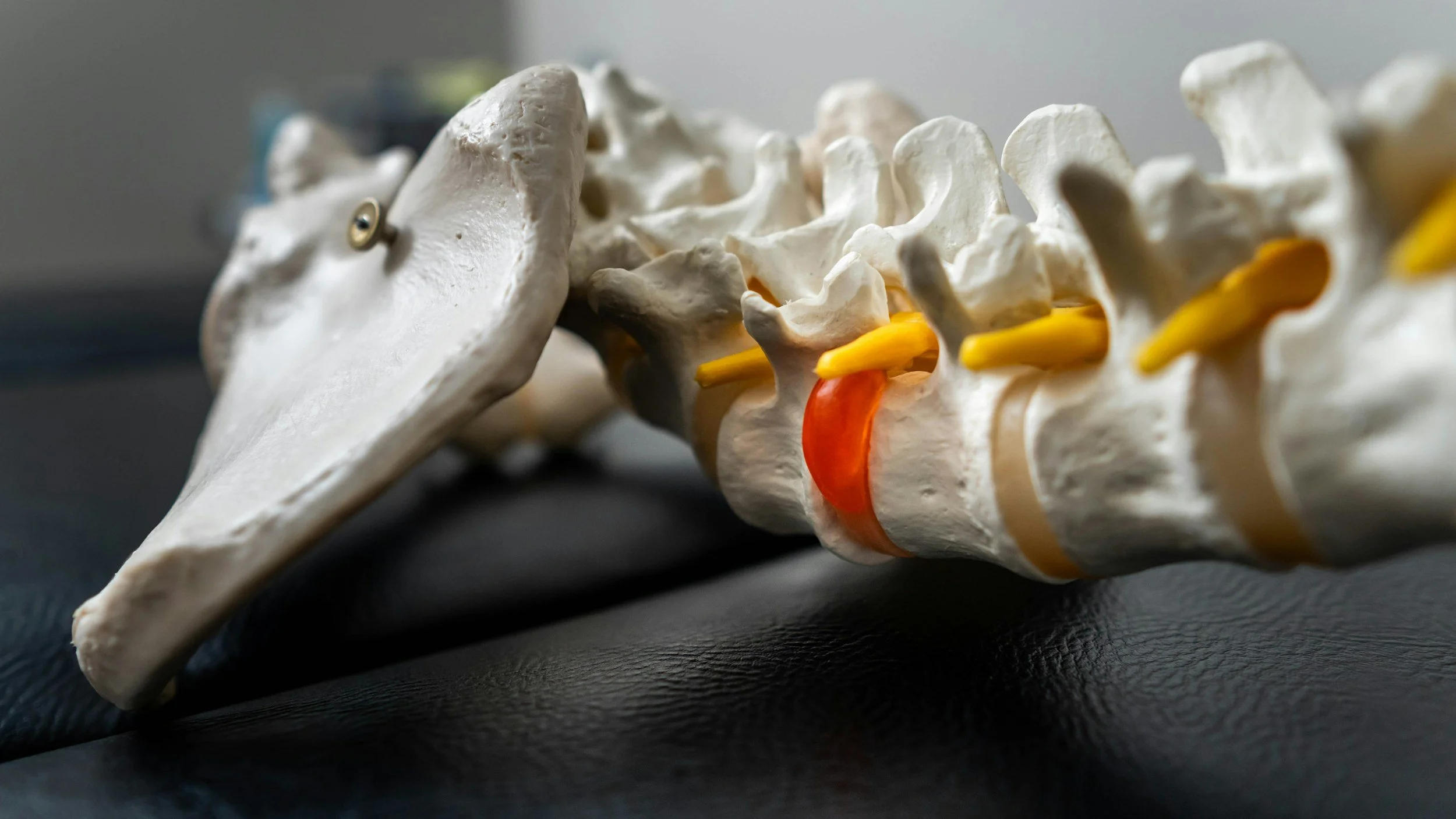
Sciatica vs. Low Back Pain: How to Tell the Difference
Sciatica vs. Low Back Pain: How to Tell the Difference
Low back pain is one of the most common reasons people seek healthcare, but many assume that every ache in the lower back is "sciatica." In reality, sciatica and low back pain are not the same condition, even though they can occur together.
At Rochester Sports Chiropractic, one of the first questions I ask patients is, "Where exactly do you feel your pain?" The answer often tells us whether we're dealing with a muscle strain, irritated joint, disc injury, or irritation of the sciatic nerve.
If you live in Mendon, Pittsford, Victor, Honeoye Falls, Rush, Henrietta, or Fairport, understanding the difference can help you make better decisions about treatment and know when it's time to seek professional care.
Quick Answer
Low back pain usually stays in the lower back and may involve muscles, joints, or ligaments. Sciatica occurs when the sciatic nerve is irritated, causing pain that often travels from the lower back into the buttock and down the leg. Although they can occur together, they are different conditions and require different treatment approaches.
Key Takeaways
Low back pain often stays above the buttocks.
Sciatica typically travels into the leg.
Numbness, tingling, or weakness are more common with sciatica.
Most cases improve with conservative treatment when diagnosed early.
Severe neurological symptoms require immediate medical attention.
What Is Low Back Pain?
Low back pain refers to pain that originates in the lumbar spine or surrounding tissues.
Common sources include:
Muscles
Ligaments
Facet joints
SI joint
Intervertebral discs
Pain is usually located across the beltline and may worsen with bending, lifting, prolonged sitting, or standing.
Many people describe it as:
Aching
Tightness
Stiffness
Muscle spasms
While uncomfortable, this type of pain often stays localized.
If you'd like to learn more about the many causes of back pain, our Low Back Pain page provides a detailed overview of evaluation and treatment options.
What Is Sciatica?
Sciatica occurs when the sciatic nerve becomes irritated or compressed.
Rather than staying in the lower back, symptoms often travel along the path of the nerve.
Common symptoms include:
Pain in the buttock
Pain down the back of the thigh
Burning sensations
Tingling
Numbness
Weakness
Pain below the knee
The pain may be sharp, electric, or shooting rather than dull and achy.
Here's what surprises many people…
Not everyone with sciatica has severe low back pain. Some patients primarily notice pain in the leg while the back feels relatively normal.
What Causes Low Back Pain?
Low back pain has many possible causes, including:
Muscle Strain
Often develops after lifting, yard work, sports, or an unexpected movement.
Joint Dysfunction
The small joints of the spine can become stiff or irritated, limiting normal movement.
SI Joint Pain
Pain from the sacroiliac joint can mimic both low back pain and sciatica.
Disc Injury
A bulging or irritated disc may cause localized back pain or contribute to nerve irritation.
One important detail is often overlooked...
Many MRI findings are a normal part of aging. Imaging results should always be interpreted alongside your symptoms and physical examination rather than in isolation.
What Causes Sciatica?
Sciatica develops when the sciatic nerve becomes irritated.
Common causes include:
Disc herniation
Lumbar spinal stenosis
Bone spurs
Inflammation
Piriformis syndrome (less common)
Degenerative changes
Because several conditions can irritate the nerve, identifying the true source is essential before beginning treatment.
How Is the Diagnosis Made?
At Rochester Sports Chiropractic, the examination focuses on understanding why you're experiencing pain—not simply labeling it as sciatica or back pain.
Your evaluation may include:
Detailed medical history
Orthopedic testing
Neurological examination
Lumbar spine assessment
Hip mobility testing
SI joint evaluation
Functional movement assessment
Advanced imaging is not necessary for every patient. According to the American College of Physicians, conservative treatment is appropriate for many uncomplicated cases of low back pain before imaging is considered.
Treatment Options
Treatment depends on the underlying diagnosis.
For many patients, conservative care may include:
Chiropractic adjustments when appropriate
Manual therapy
Mobility exercises
Core strengthening
Glute strengthening
Walking program
Activity modification
Home exercise program
If symptoms suggest a more serious condition, referral for imaging or consultation with another healthcare provider may be appropriate.
Can You Have Both?
Yes.
This is actually very common.
A disc injury may create localized low back pain while also irritating a nerve root, leading to pain that radiates into the leg.
That's why a thorough examination is so important. Treating only the symptoms without identifying the source often leads to recurring problems.
When Should You Seek Immediate Medical Care?
Seek emergency medical attention if you develop:
Loss of bowel or bladder control
Progressive leg weakness
Saddle numbness
Severe trauma
Fever with back pain
Unexplained weight loss
Constant pain that does not improve with rest
These symptoms may indicate a condition requiring urgent evaluation.
Frequently Asked Questions
Can low back pain turn into sciatica?
Yes. If a condition such as a disc herniation begins irritating a nerve root, localized back pain can progress to symptoms that travel into the leg.
Is walking good for sciatica?
For many people, gentle walking can be helpful, although tolerance varies depending on the underlying cause.
Does every disc bulge cause sciatica?
No. Many people have disc bulges without pain or nerve symptoms. Clinical findings are often more important than imaging alone.
Can chiropractic care help sciatica?
For appropriately selected patients, evidence-informed chiropractic care combined with movement-based rehabilitation may help reduce pain, improve mobility, and support recovery. Treatment recommendations should always be based on an individual examination.
Conclusion
While sciatica and low back pain are closely related, they are not the same condition. Understanding where your pain begins, how it behaves, and whether it travels into the leg provides valuable clues about what's causing your symptoms.
If you're experiencing persistent back pain or symptoms that extend into your leg, an evaluation can help determine whether the problem involves muscles, joints, discs, or nerve irritation. At Rochester Sports Chiropractic, we focus on identifying the underlying cause and developing an individualized treatment plan that helps you return to the activities you enjoy—whether that's golfing, running, gardening, walking the Erie Canal, or simply getting through your day with less pain.